
Books by UJ Sociology Staff
Home 禄 Faculties of Humanities 禄 Departments 禄 Sociology 禄Recent books by UJ Sociologists
Prof Melanie Samson

Working with key concepts developed by Gillian Hart, this book argues for a critical ethnographic approach to advance social justice movements for a radically different world. It offers an invaluable toolkit for activists and scholars engaged in sharpening their critical concepts for social and environmental change.
Prof Pragna Rugunanan
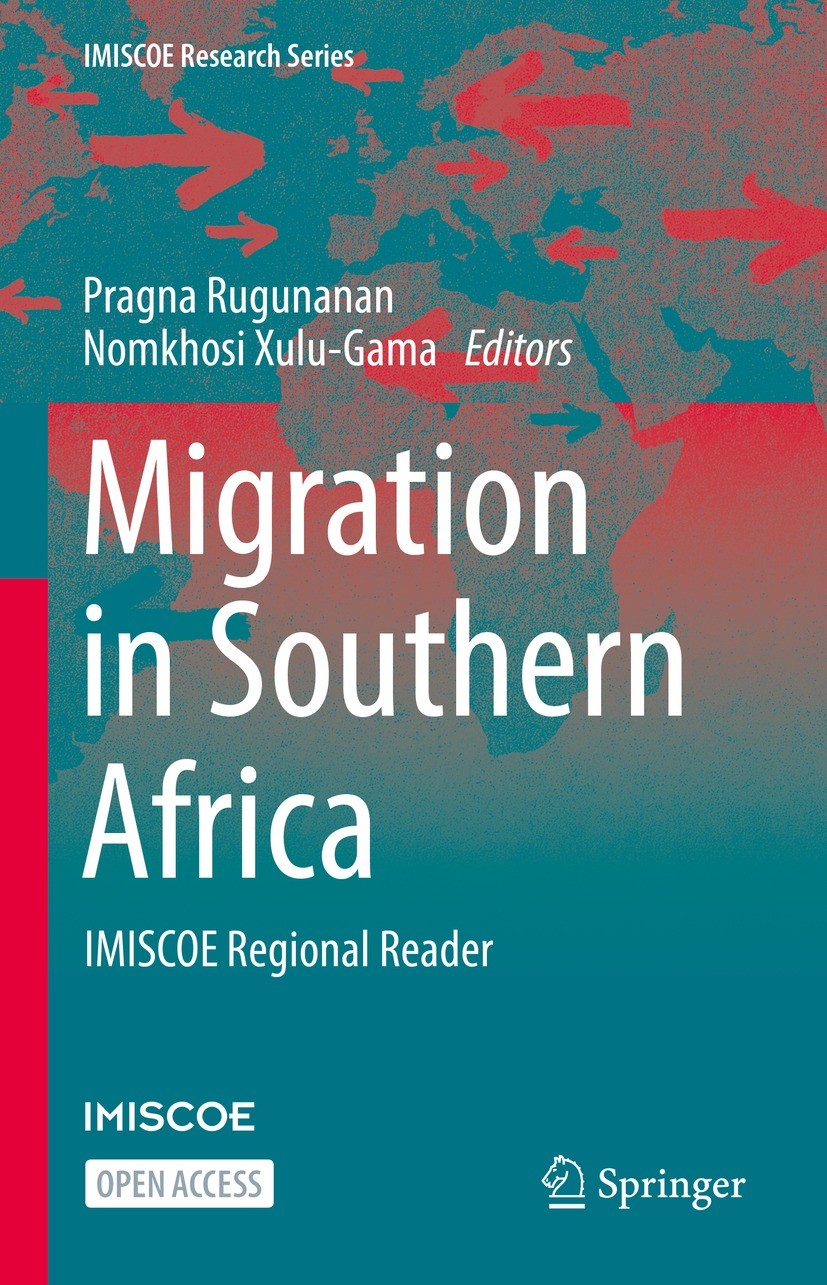
This open-access Regional Reader provides an overview of migration to, within and between African countries. It argues that South-to-South migration will dominate global migration trends in future. It also proposes new ways of theorizing migration in the Southern African region
Dr Trevor Ngwane

T. Ngwane (2021)聽Amakomiti: Grassroots Democracy in South African Shack Settlements. London: Pluto Press and Johannesburg: Jacana Media.
This book provides ethnographic evidence about the operation of people鈥檚 committees in the informal settlements of South Africa. The committees 鈥撀�补尘补办辞尘颈迟颈听in the Zulu language 鈥� typically attend to the collective affairs of residents such as organizing the occupation of land, cutting up of stands, provision of water, dispute resolution, etc. The author argues that they are a form of grassroots democracy that is crucial in the struggle for working-class control of society.
Dr Trevor Ngwane and Prof MalehokoTshoaedi

T. Ngwane and M. Tshoaedi eds (2021)聽The Fourth Industrial Revolution: A Sociological Critique. Johannesburg: Jacana Media.
This book is a collection of papers presented at a plenary session of the 25th聽Congress of the South African Sociological Association held in 2019. The conference theme was 鈥榃ork, Life and Society: Meanings, Manifestations and Trajectories of the Fourth Industrial Revolution in Africa鈥�. The contributors interrogate the theoretical and ideological foundations of this so-called revolution including what they deem to be the technological determinism that informs its conceptualization. They are also concerned about 鈥榯he digital divide鈥� whereby some countries and some classes have less access to the new technologies relative to others.
Prof Patrick Bond

,听,听
Prof Luke Sinwell
